IOT Space Managment
Over view
It provides real-time insights into:
Occupancy (who/what is using the space)
Utilization (how often and how well it is used)
Movement patterns
Environmental conditions
Asset tracking and location data
Key Components of IoT Space Management
IoT Sensors
IoT space management relies on occupancy sensors, BLE/UWB beacons, CO₂/environment sensors, people-counting cameras/counters, desk/room sensors, and parking sensors for real-time monitoring.
Connectivity
It connects using Zigbee, BLE, NB-IoT/LTE-M, Wi-Fi, and LoRaWAN depending on range, power usage, and cost.
IOT Space Management Systems
Cloud Platform
Real-time dashboards, data analytics & reports, heatmaps and utilization KPIs, and predictive maintenance alerts
User Interfaces
Mobile apps, web portals, and smart booking systems
Applications and Benefits of IOT Space Management
Office Space Optimization
Track desk usage • Manage meeting rooms • Support hybrid work • Reduce energy waste
Smart Buildings & Facilities
Predictive maintenance • Automated cleaning • Monitor people flow
Parking Management
Real-time occupancy • Guidance systems • Reservation management
Retail & Hospitality
Customer movement heatmaps • Queue management • Staff allocation
Warehousing & Logistics
Asset tracking • Optimize storage layout • Monitor equipment
Related Services
You might also be interested in

LOW CURRENT & SMART CITIES SOLUTIONS
At CSC, our offerings for Low Current & Smart Cities solutions include:
View Details
Storage System Solutions
CSC provides a wide range of system and storage solutions to businesses. Their ...
View Details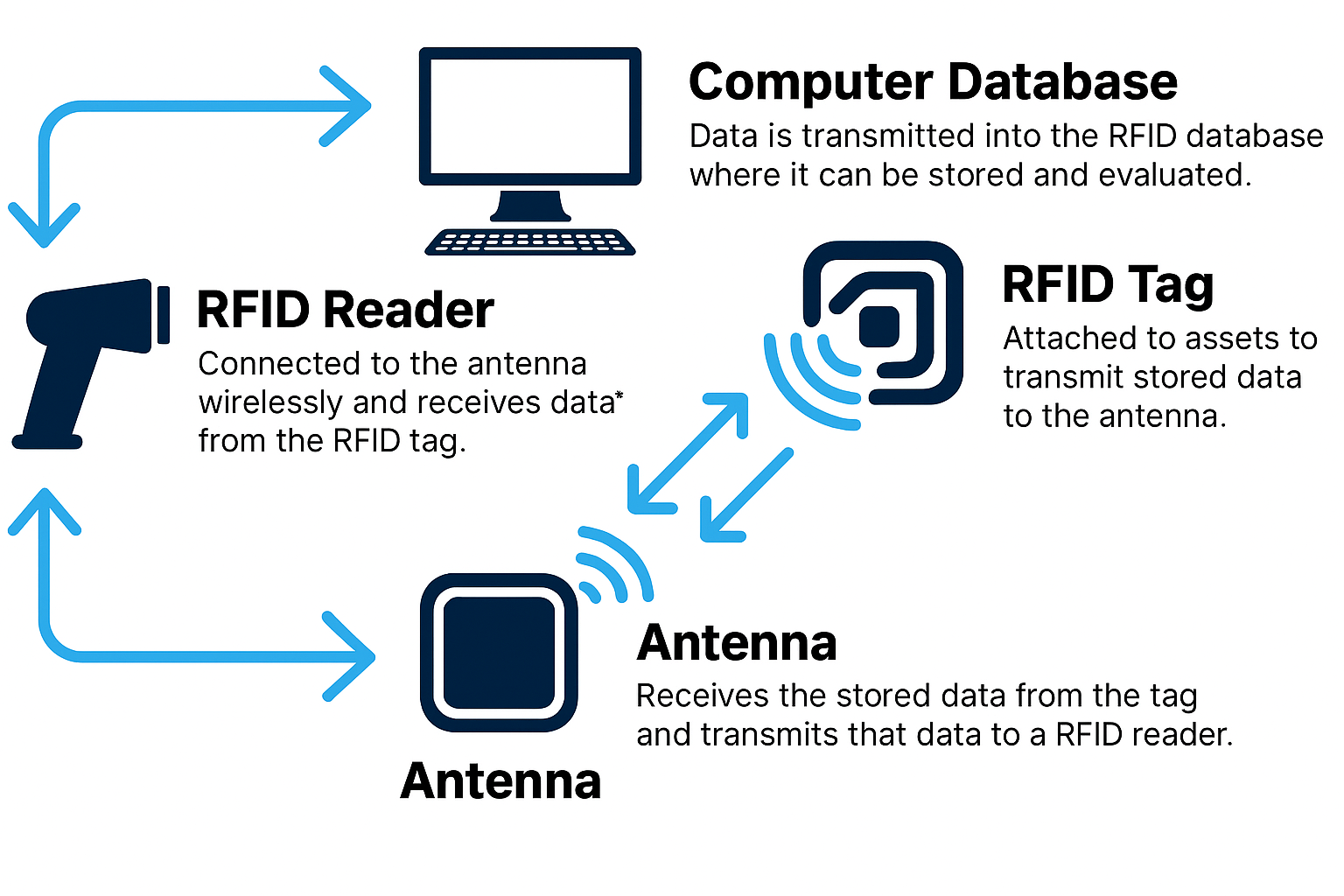
Ready to Get Started?
Let us help you achieve your goals with our advanced solutions